T&CM CLINIC
KULAI, JOHOR
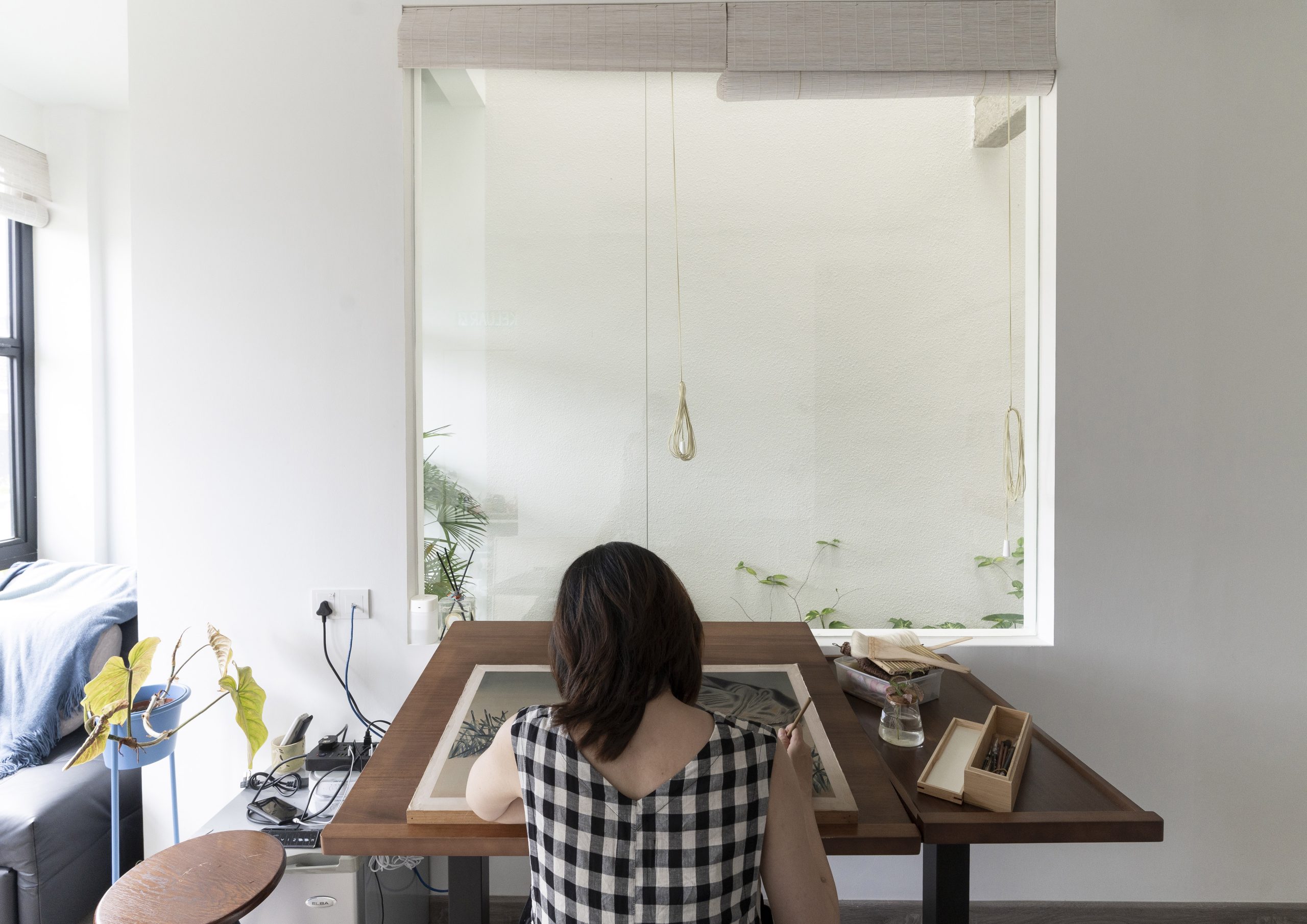
Dr. Chan, a Ph.D. graduate of Fudan University, planned to open a clinic in Malaysia. That day, the two came to Beijing, and as we enjoyed roast duck together, our conversation flowed freely on how architecture, traditional Chinese medicine, and ink painting intersect spatially, naturally shaping this renovation project.
Transformation- the Past and Present of the Shophouse
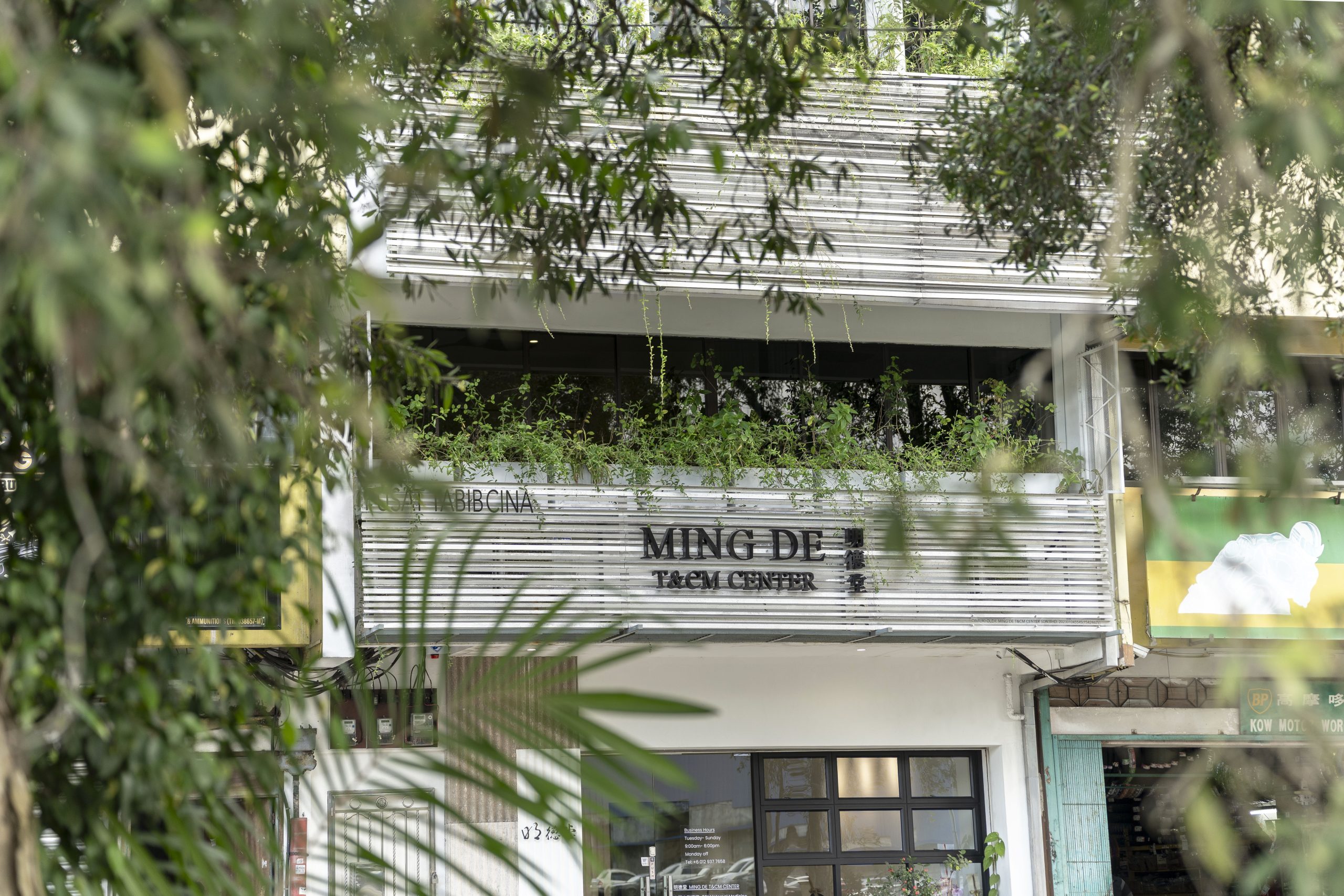
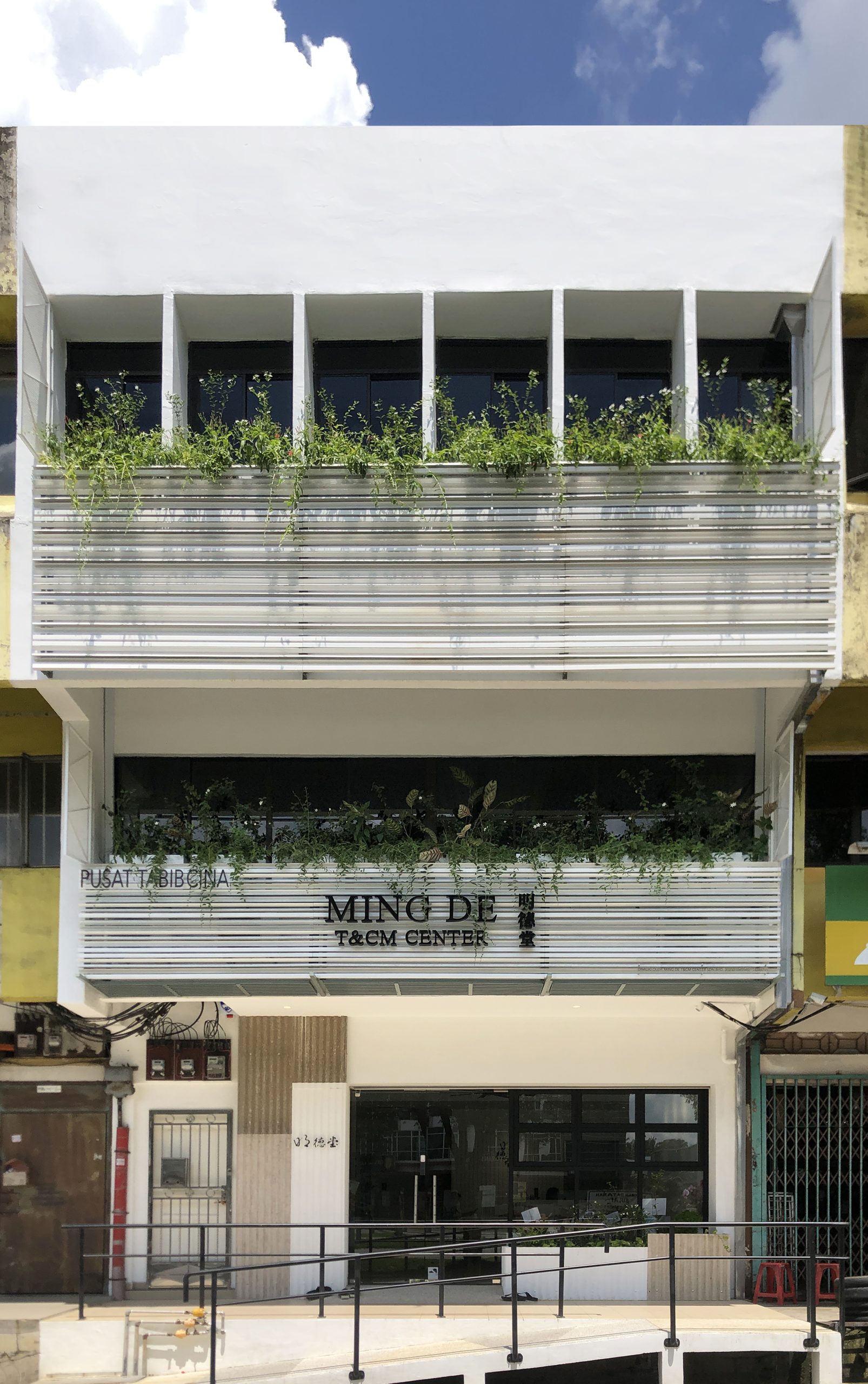
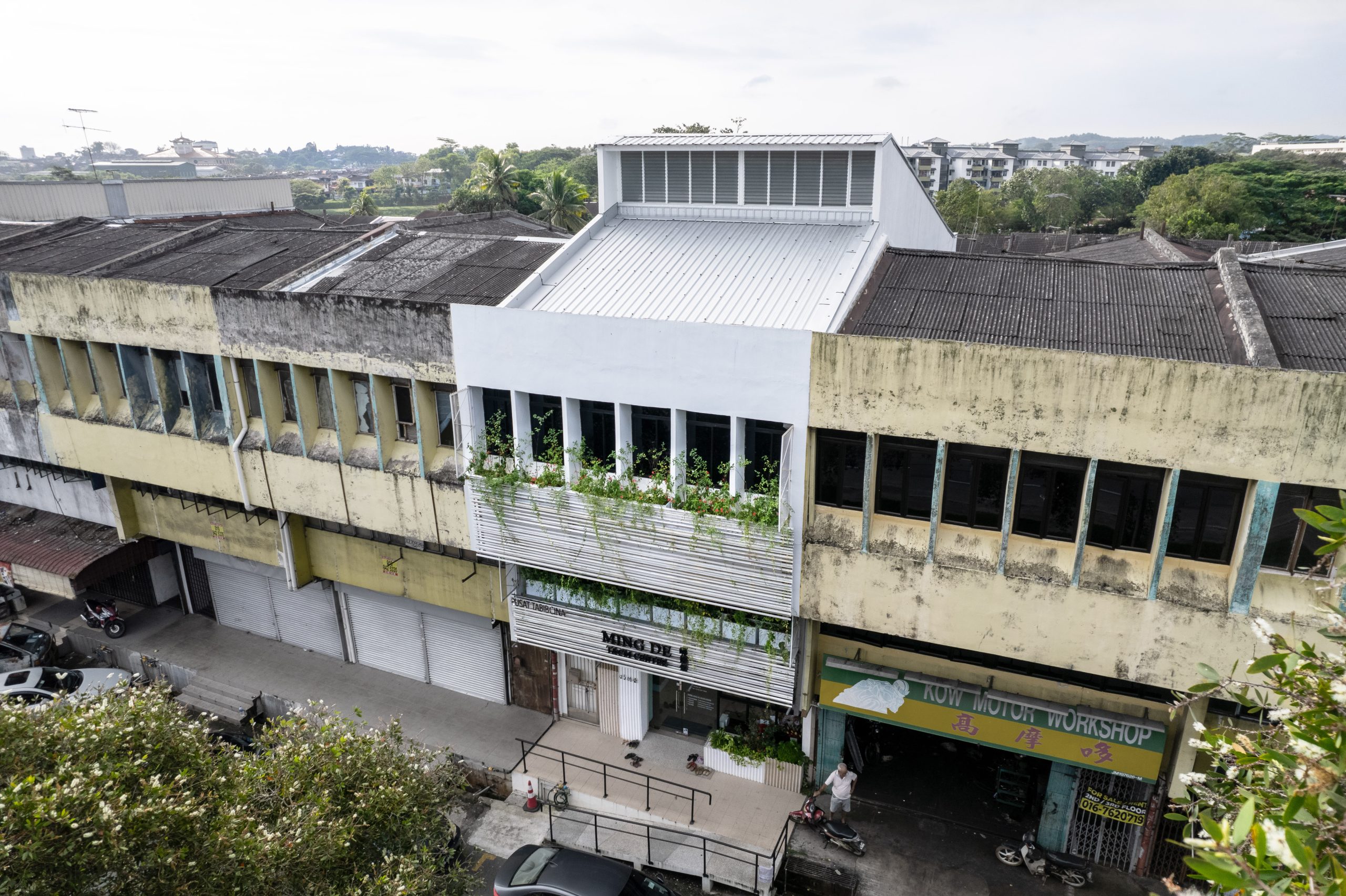
The project involves the revitalization of a 1990s-era shophouse in Kulai District, Johor, Malaysia. Shophouses—a typology designed to merge commercial and residential functions, with ground-floor retail and upper-level living spaces—hold personal significance for me. Though my family didn’t reside above our own shop, I grew up playing in friends’ shophouses, strolling along the covered “five-foot ways” that connected the row. Over time, I came to know every shopkeeper along the street. Architecturally, this row reflects modernist influences: geometric volumes with evenly spaced window openings. To adapt to the tropical climate, the design features cantilevered upper floors and narrow sun-shading louvers between windows.
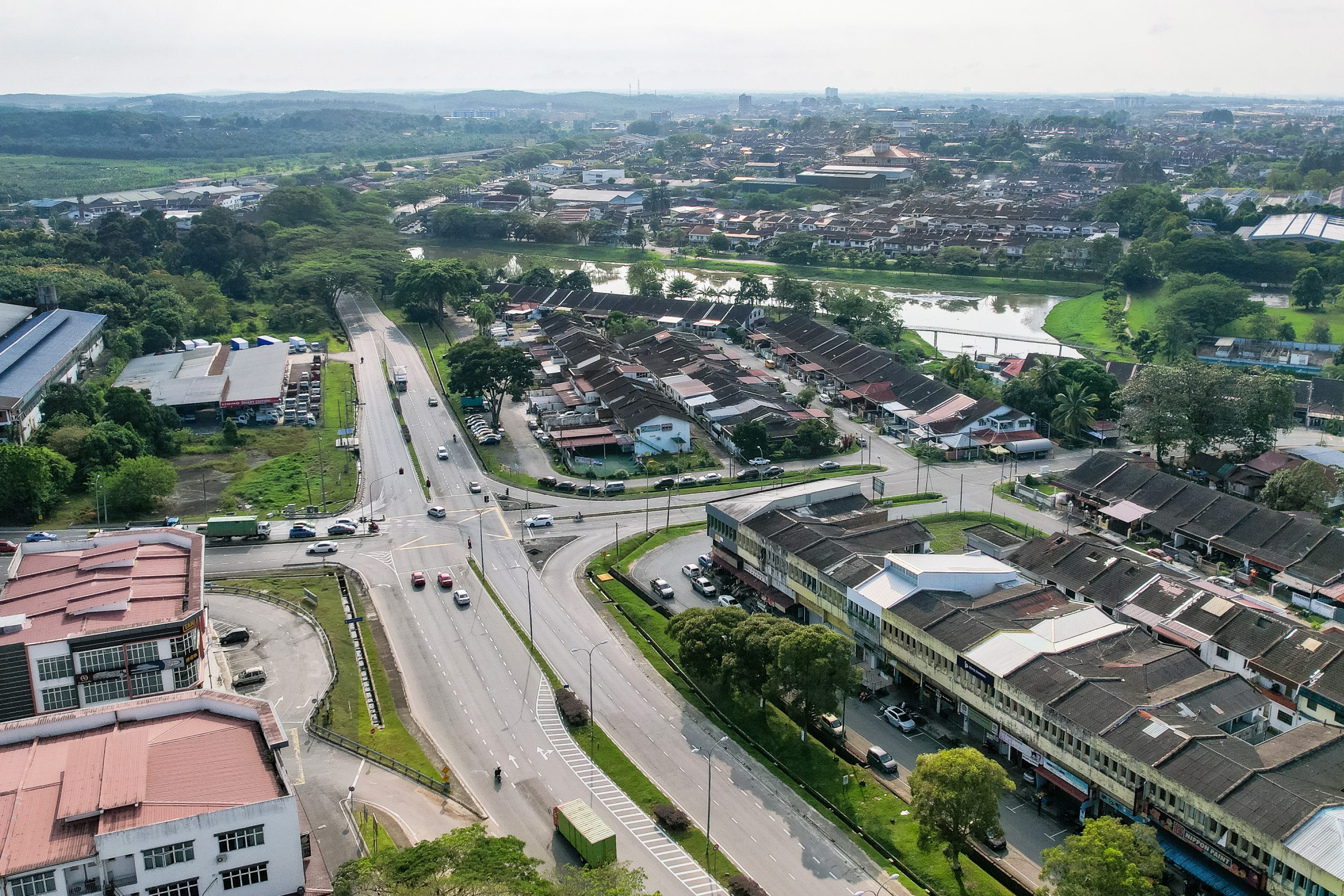
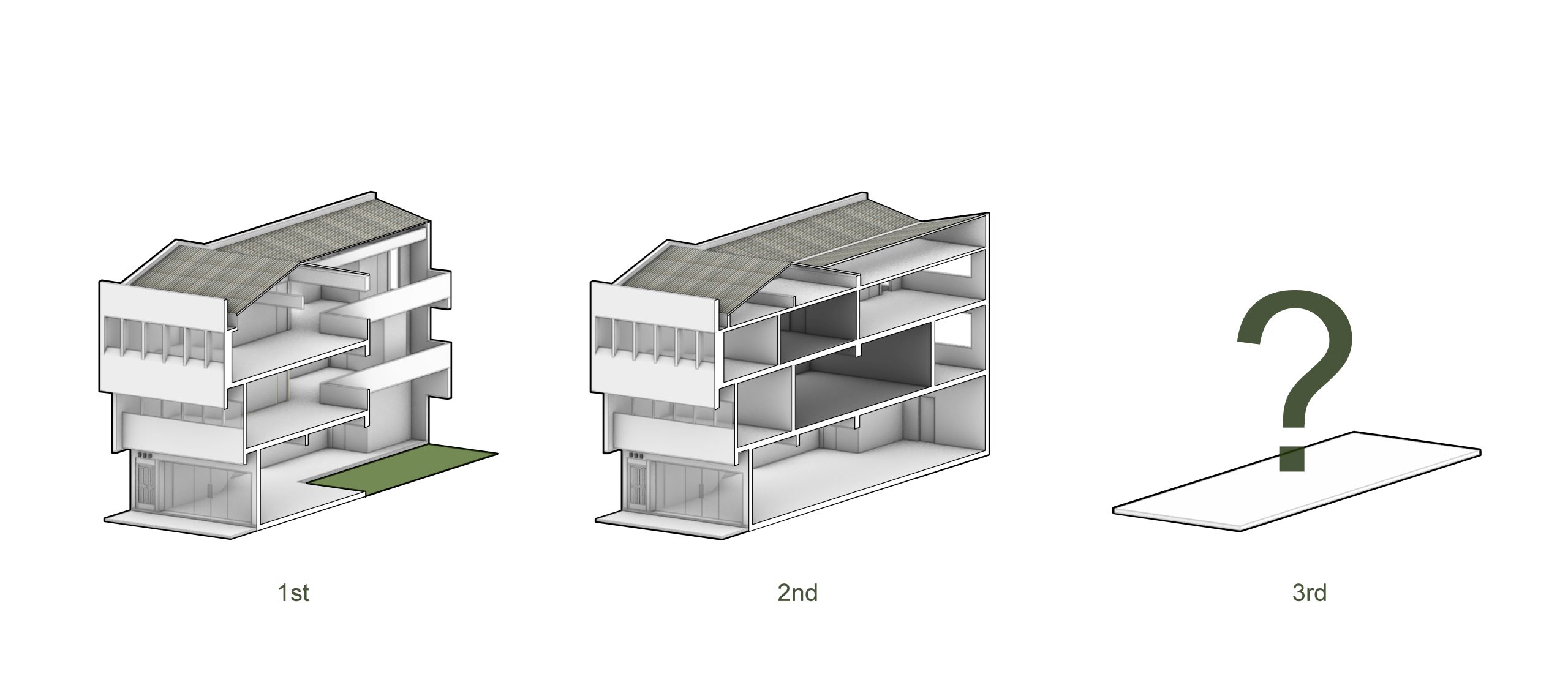
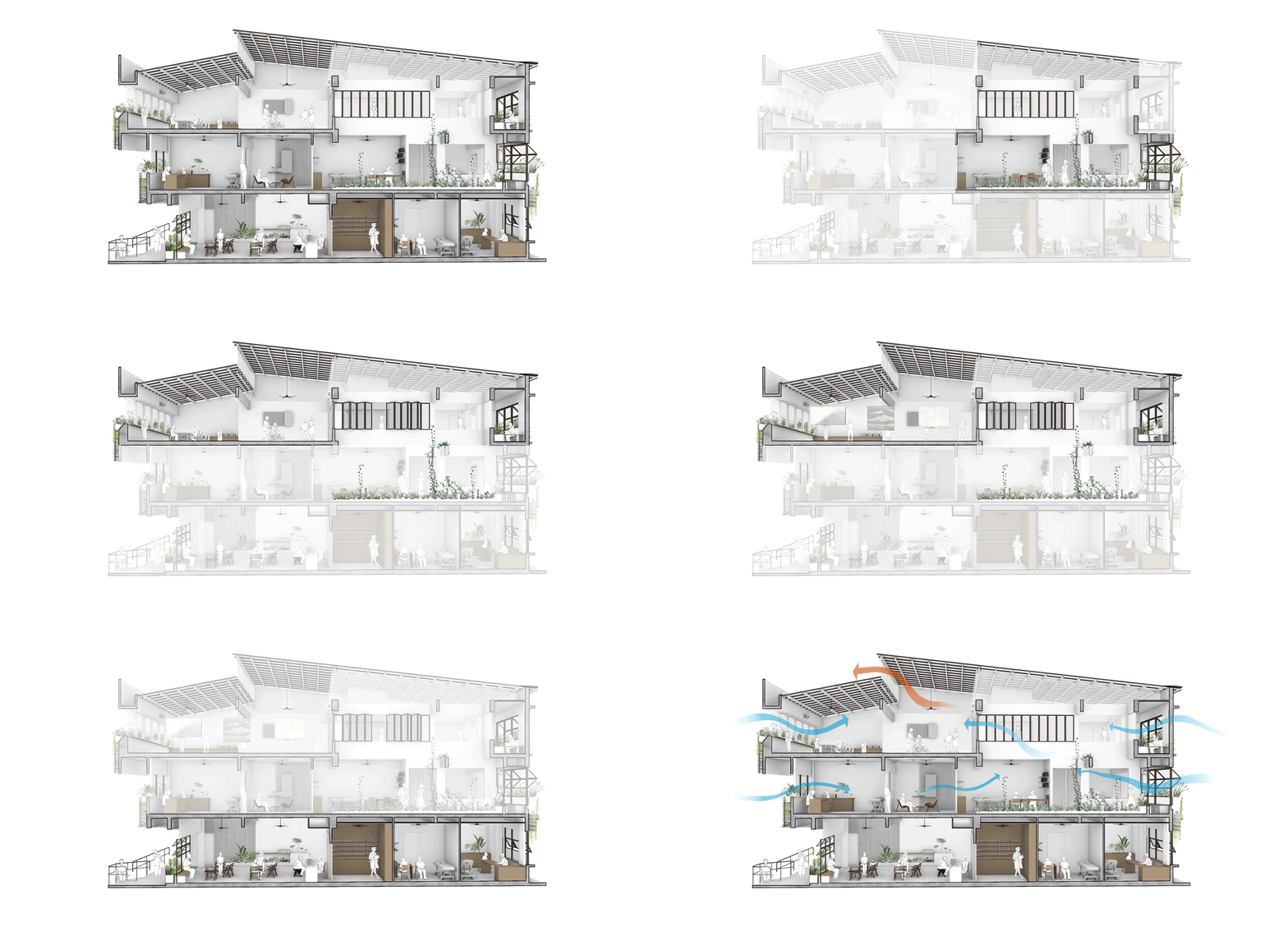
Crucially, the original layout left the rear section of the second and third floors unbuilt, creating an open-air courtyard at ground level—a nod to the lightwells of traditional Nanyang shophouses. Over time, most owners enclosed these courtyards to maximize leasable area, and a previous renovation further subdivided the floors, leaving central spaces starved of daylight and airflow, reliant entirely on artificial lighting and air conditioning. This project marks the building’s third transformation—an opportunity to reclaim its climatic intelligence while reimagining its purpose.
Space – The Couple’s Daily Life and the ‘Wall Courtyard’”
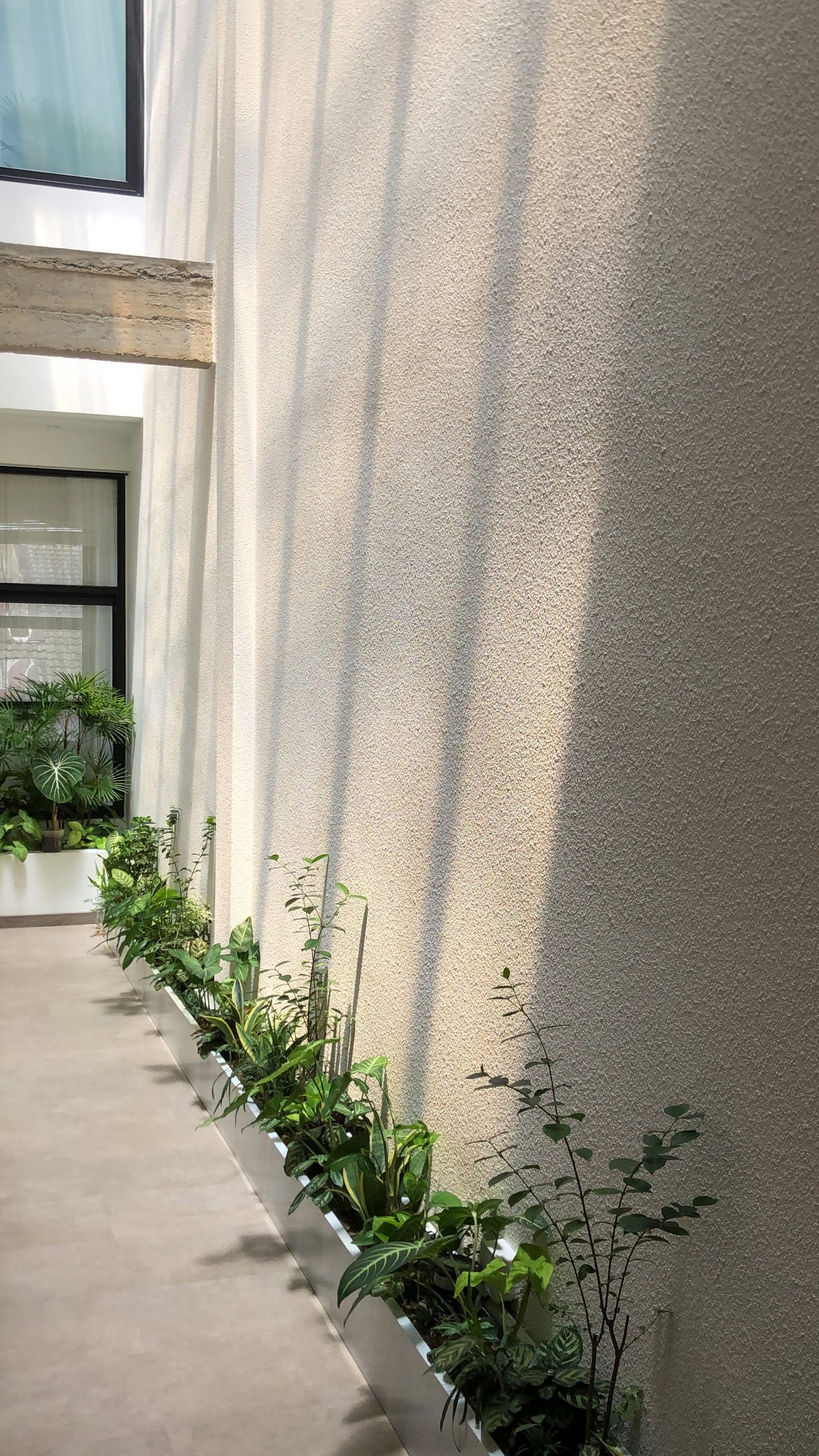
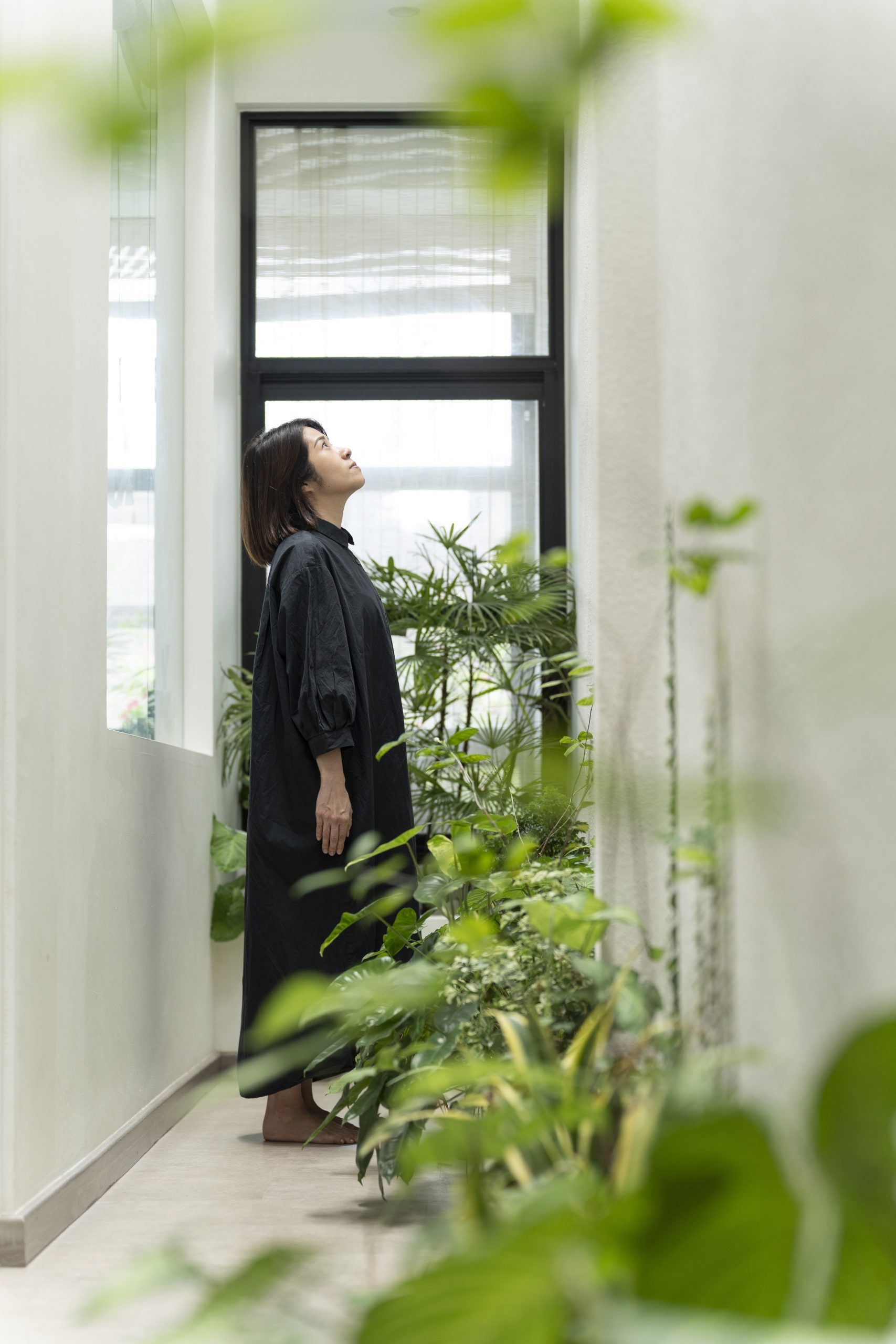
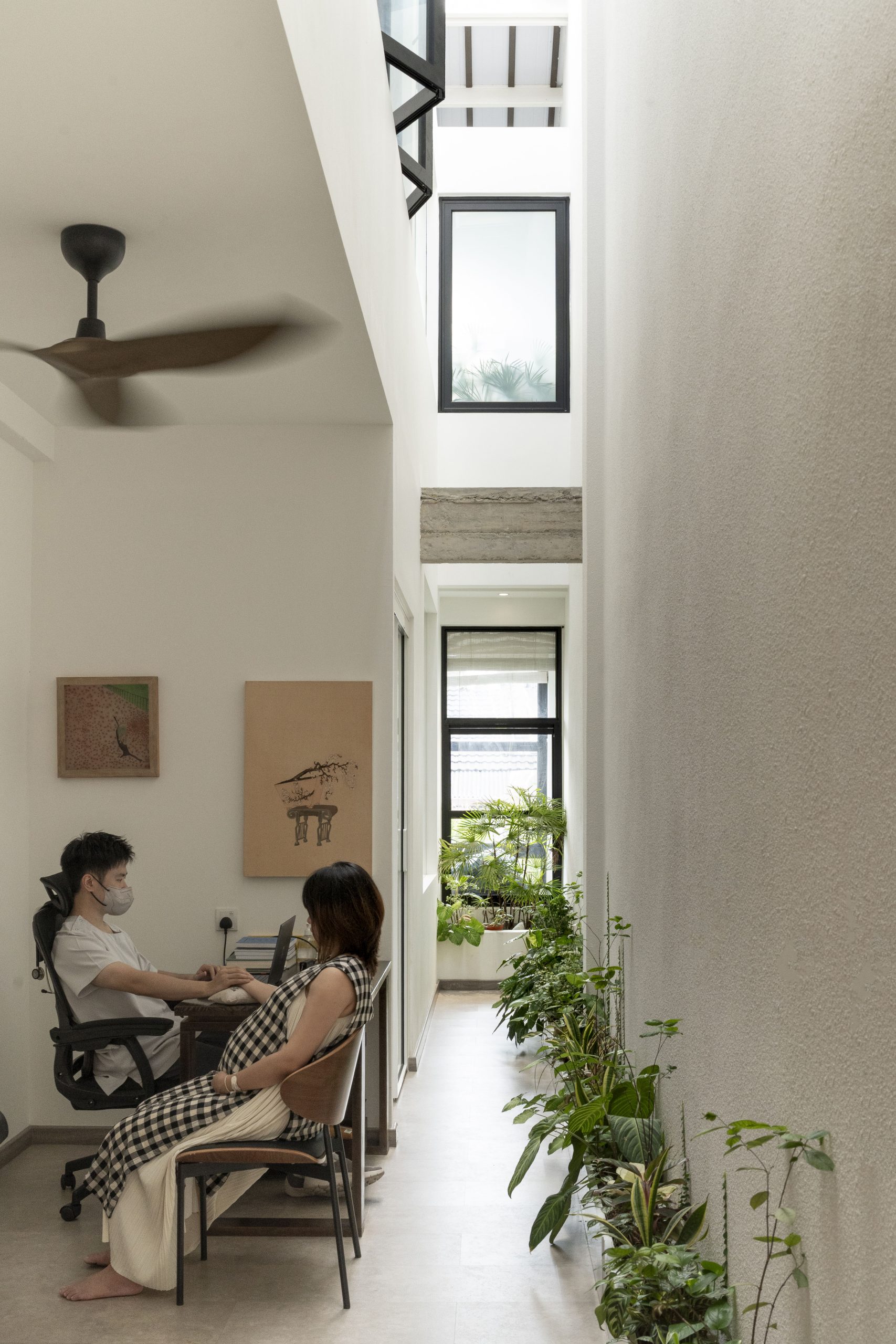
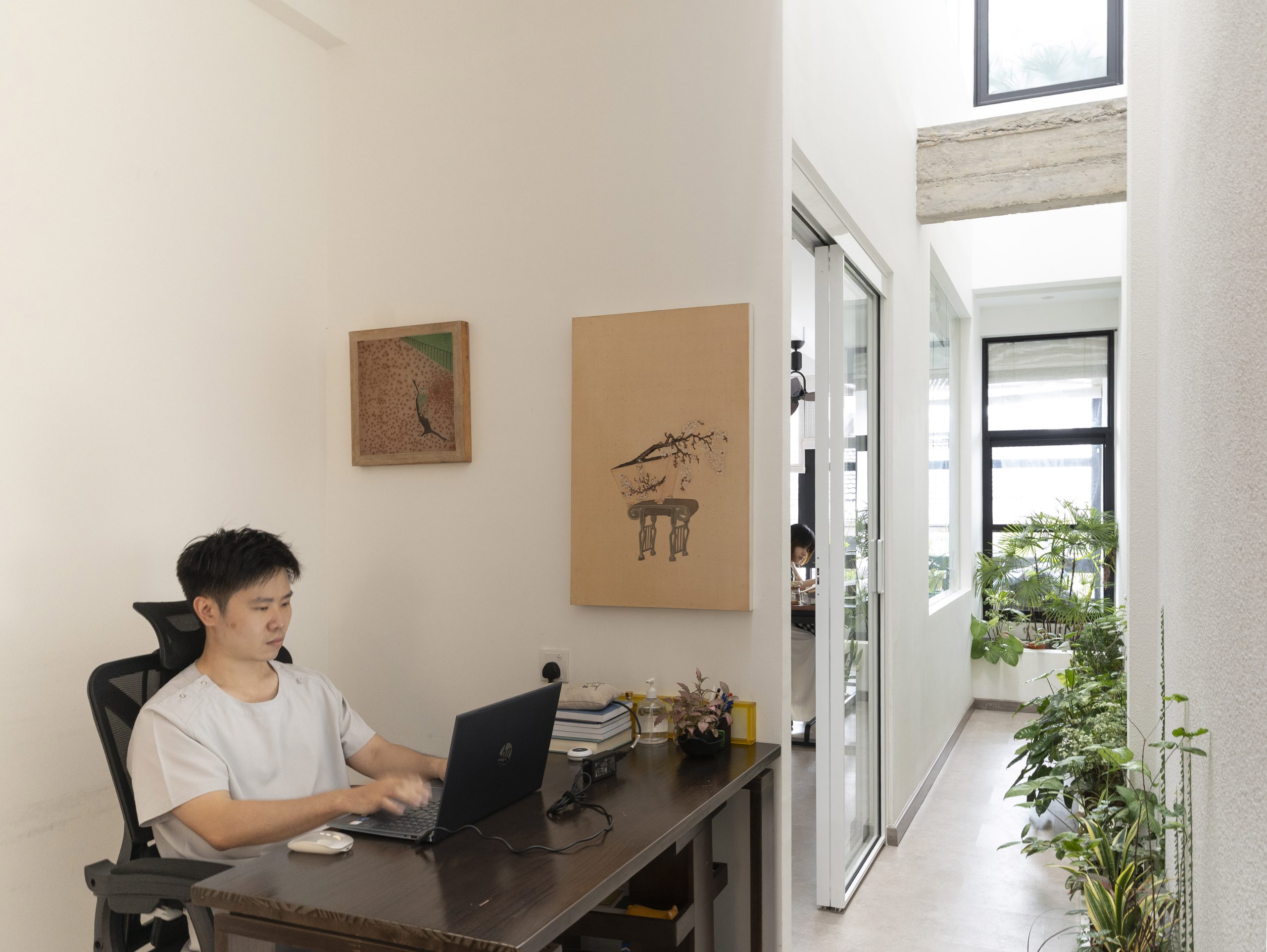
Through conversations with Dr. Chan Yuan Jin and Dr. Teh Liam Joe, co-founders of Mingde T&CM Center, we discovered a subtle yet profound parallel between Traditional Chinese Medicine (TCM) methodologies for treating illnesses and the principles of architectural design. In TCM’s “Eight Therapeutic Methods”—sweating, emesis, purging, harmonizing, warming, cooling, dissipating, and tonifying—the core philosophy revolves around restoring balance by clearing blockages such as phlegm-dampness or stagnant blood. Similarly, architectural spaces can achieve harmony through “unblocking” and rebalancing. We reintroduced the original backyard of the shophouse, relocating it against the side wall to create what we call the “Wall Courtyard.”
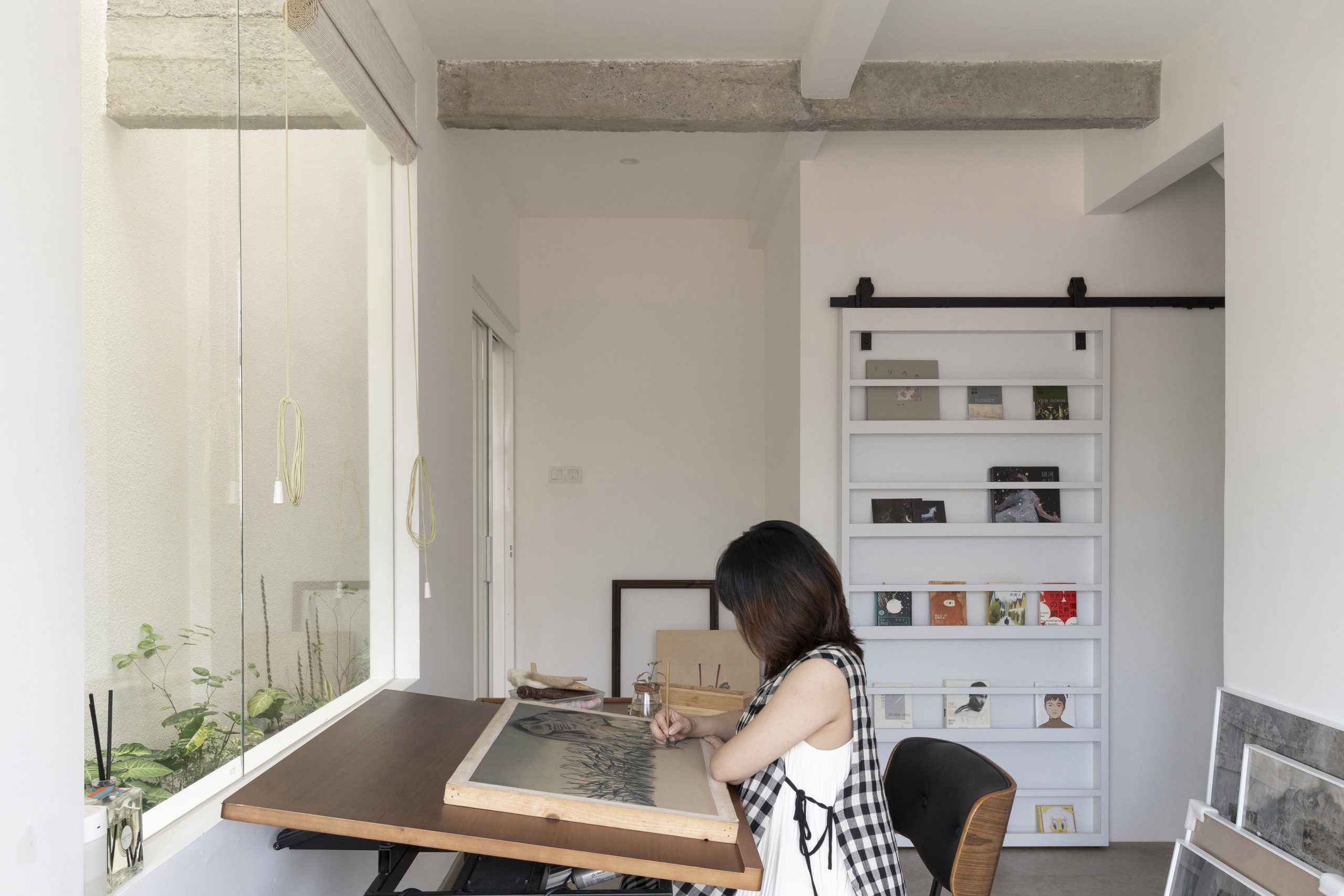
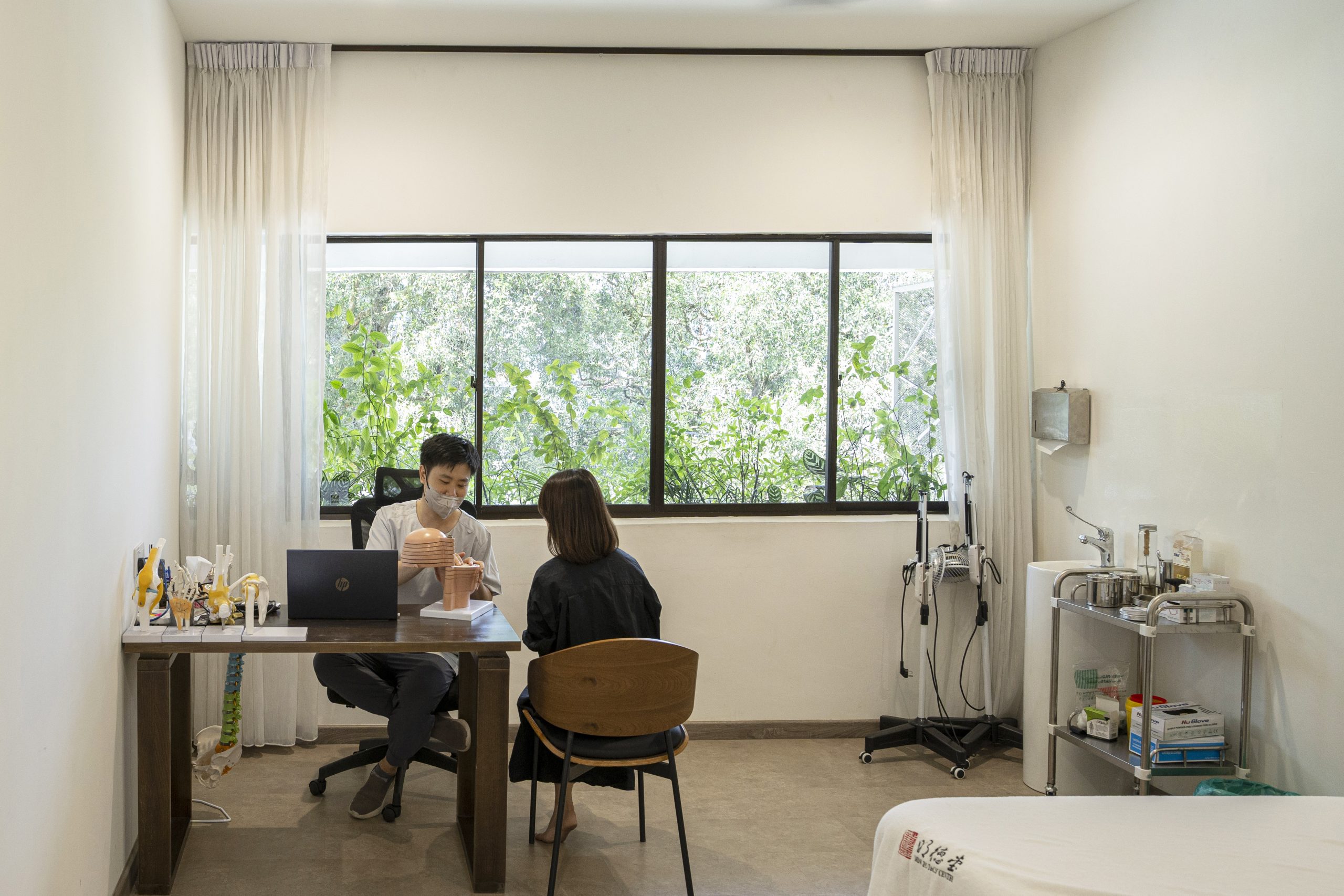
This lightwell, spanning the second and third floors, channels natural light into consultation rooms, workspaces, and rehabilitation areas while allowing rising hot air to enhance ventilation through the stack effect. Sunlight filters into the courtyard, where greenery climbs the walls, forming an introspective landscape across both levels. Despite fluctuating sunlight angles due to weather and time, the plants thrive—a testament to resilience and the beauty of life’s adaptability. Patients now experience treatment in this natural setting, fostering relaxation and offering a refreshing departure from clinical environments.
Structure – Metal and Concrete
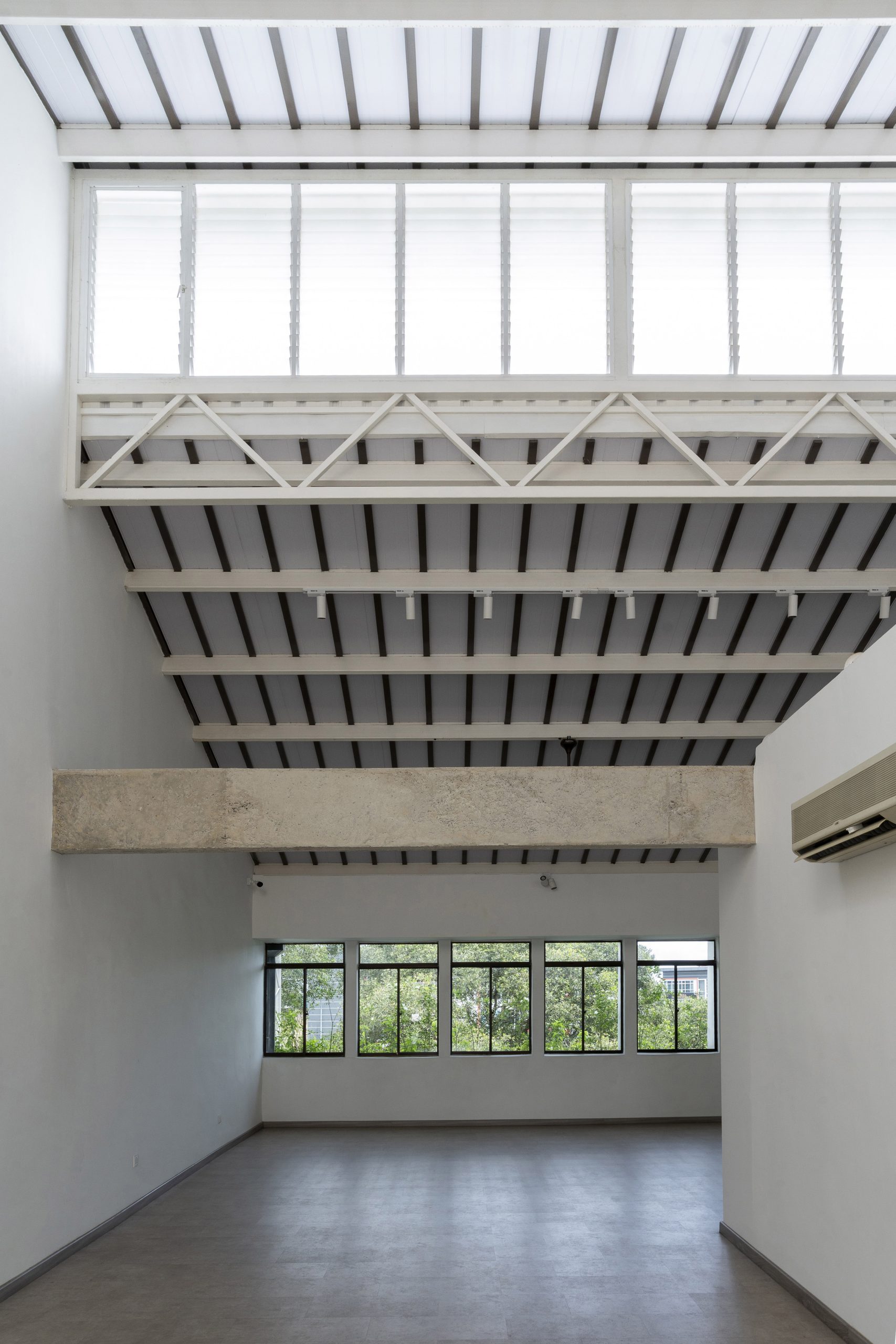
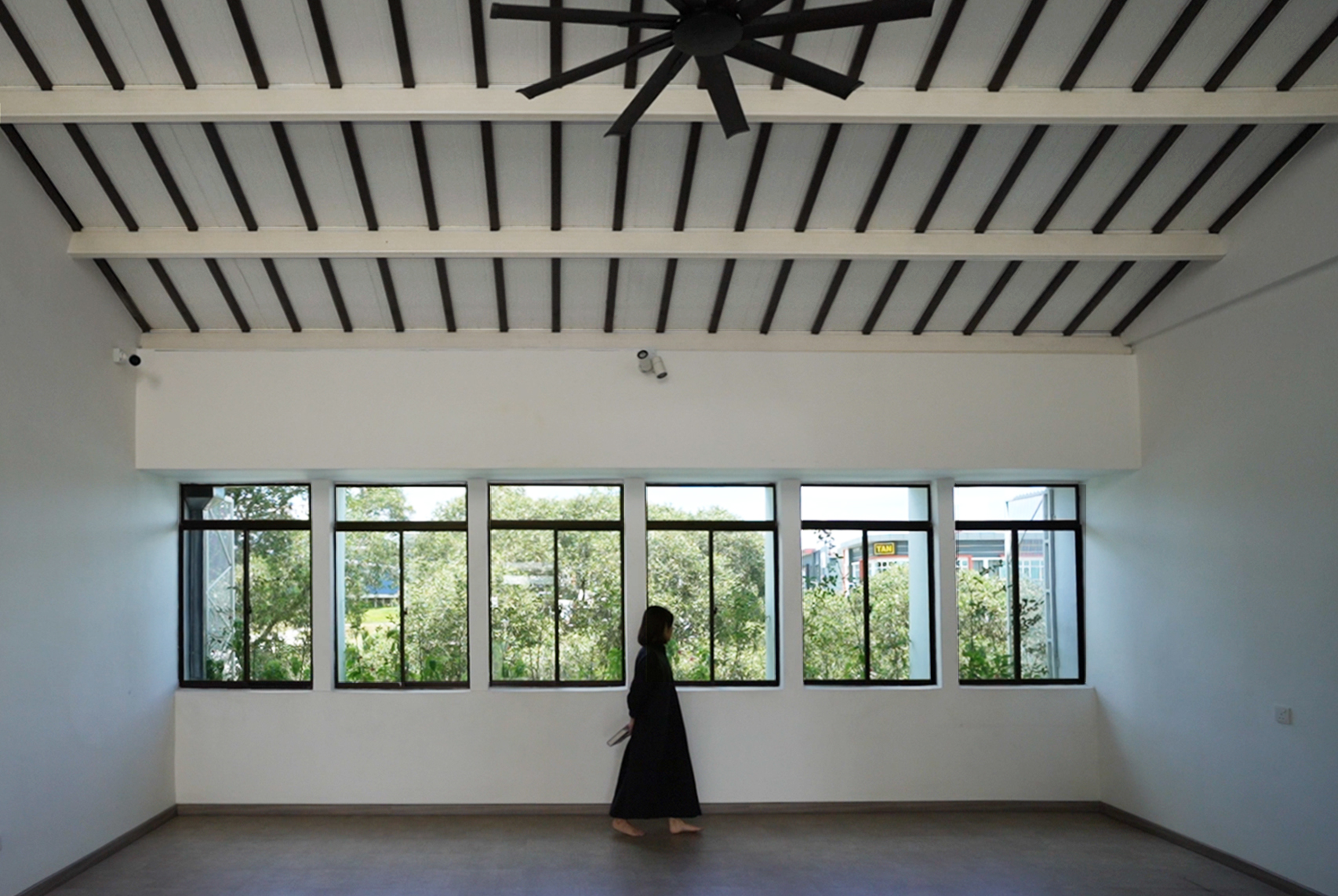
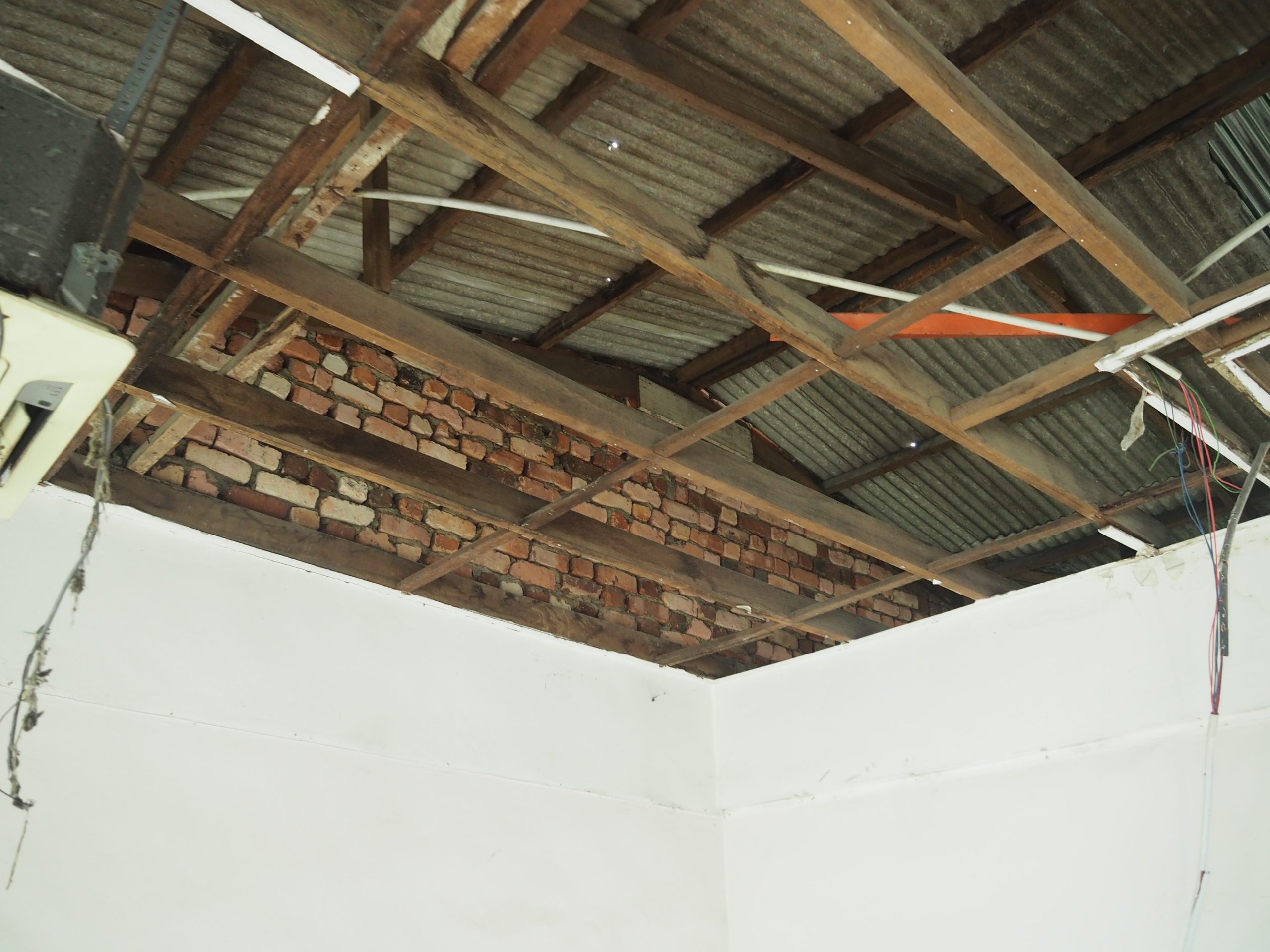
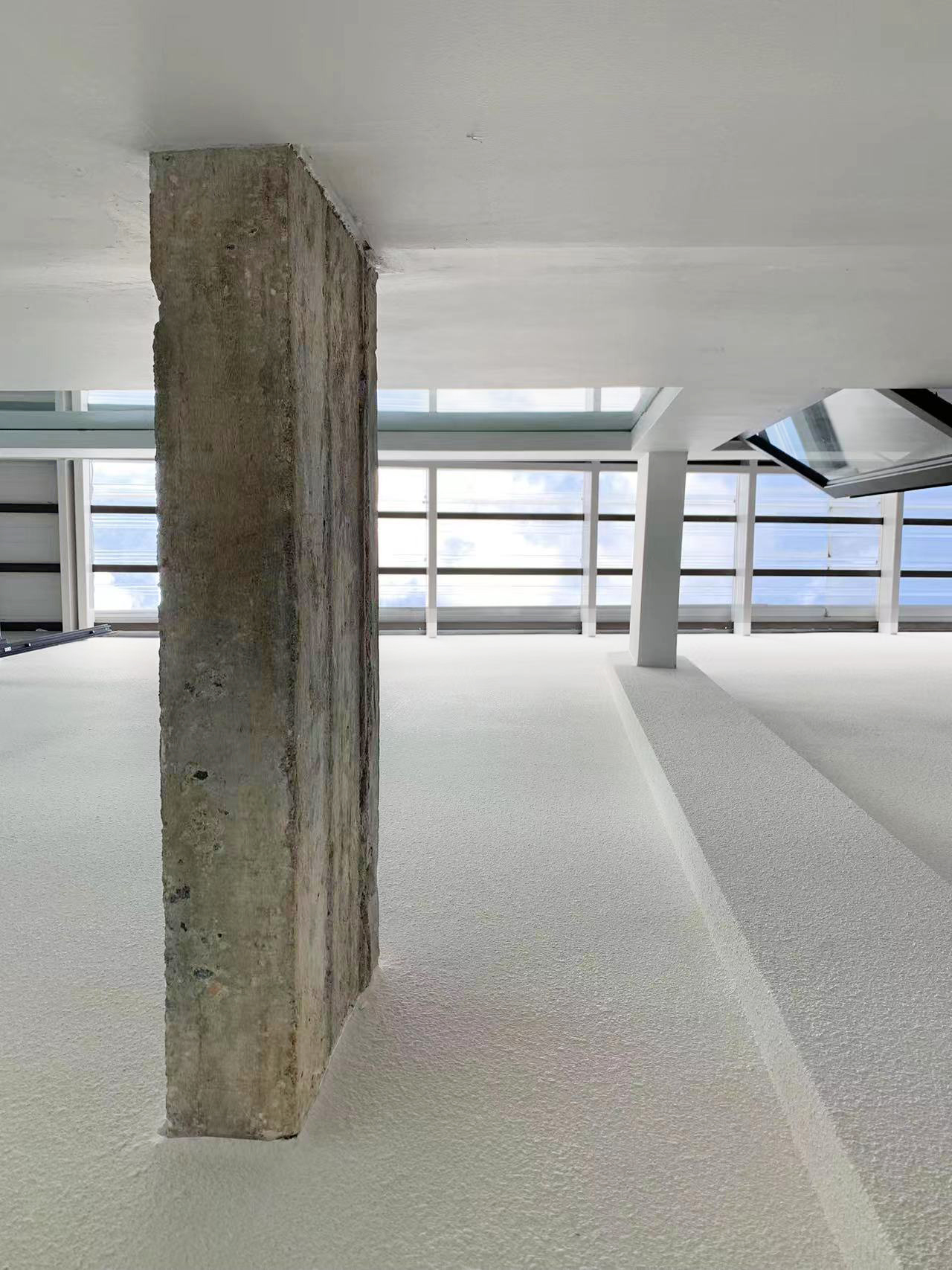
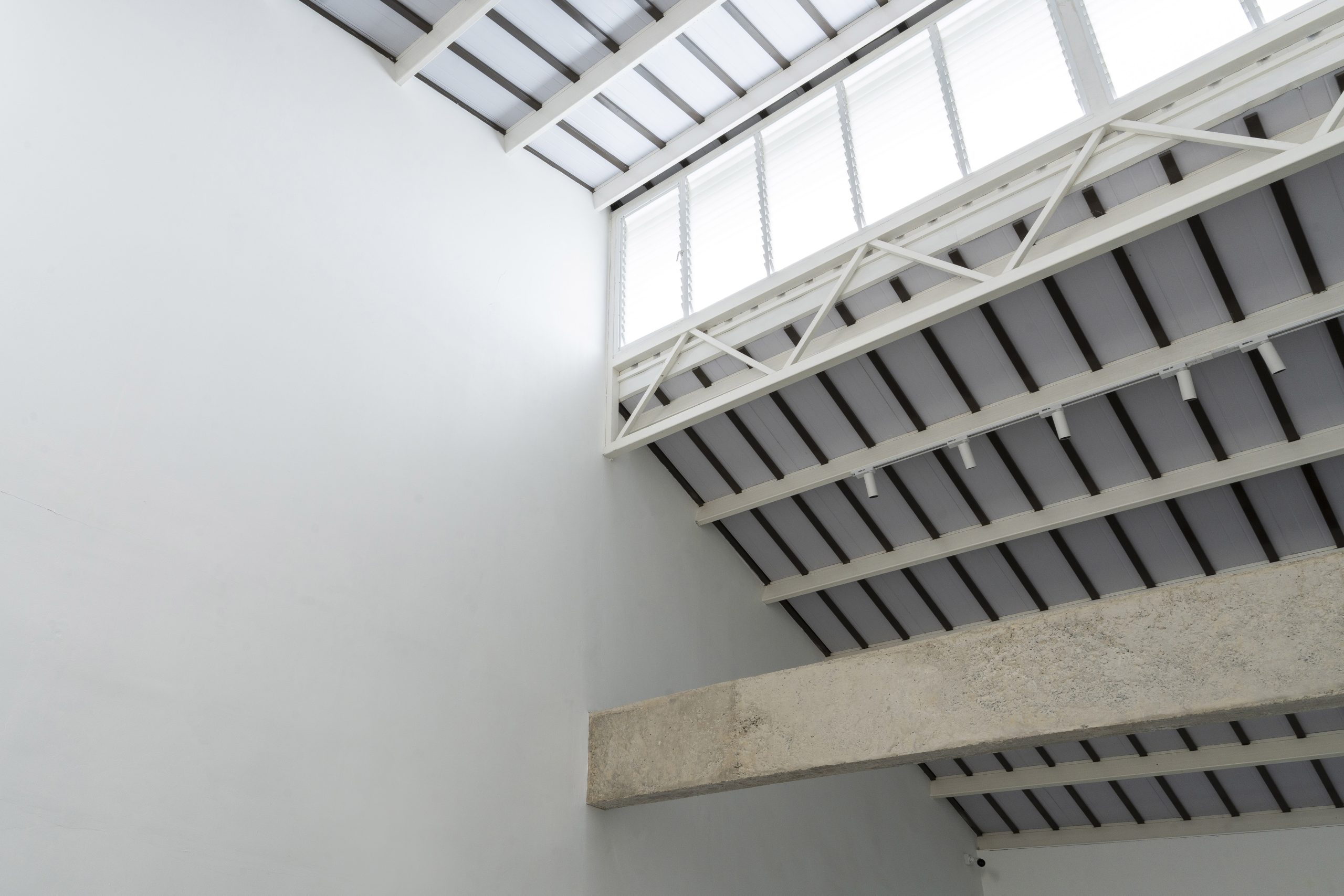
To address the aging wooden framework and deteriorated concrete-tile roof of the original structure, the design introduces a lightweight metal gable roof as intervention. The new roof system not only resolves structural load concerns but also facilitates passive ventilation through thermal chimney effects, where hot air escapes via louvered openings. We preserved and exposed the original reinforced concrete beams, now juxtaposed with the new steel structure overhead—creating a spatial dialogue between eras that adds layered richness to this shared environment.
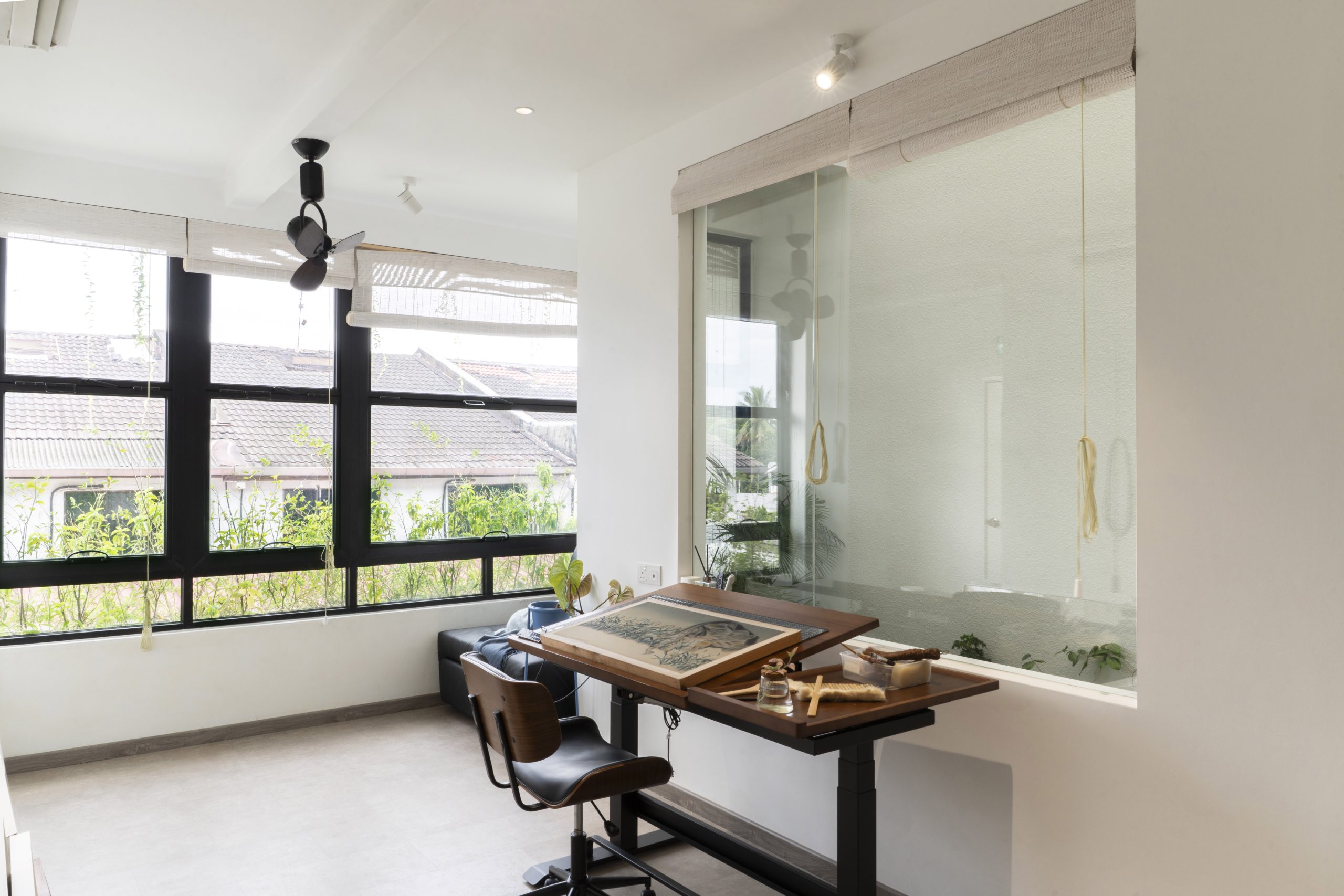
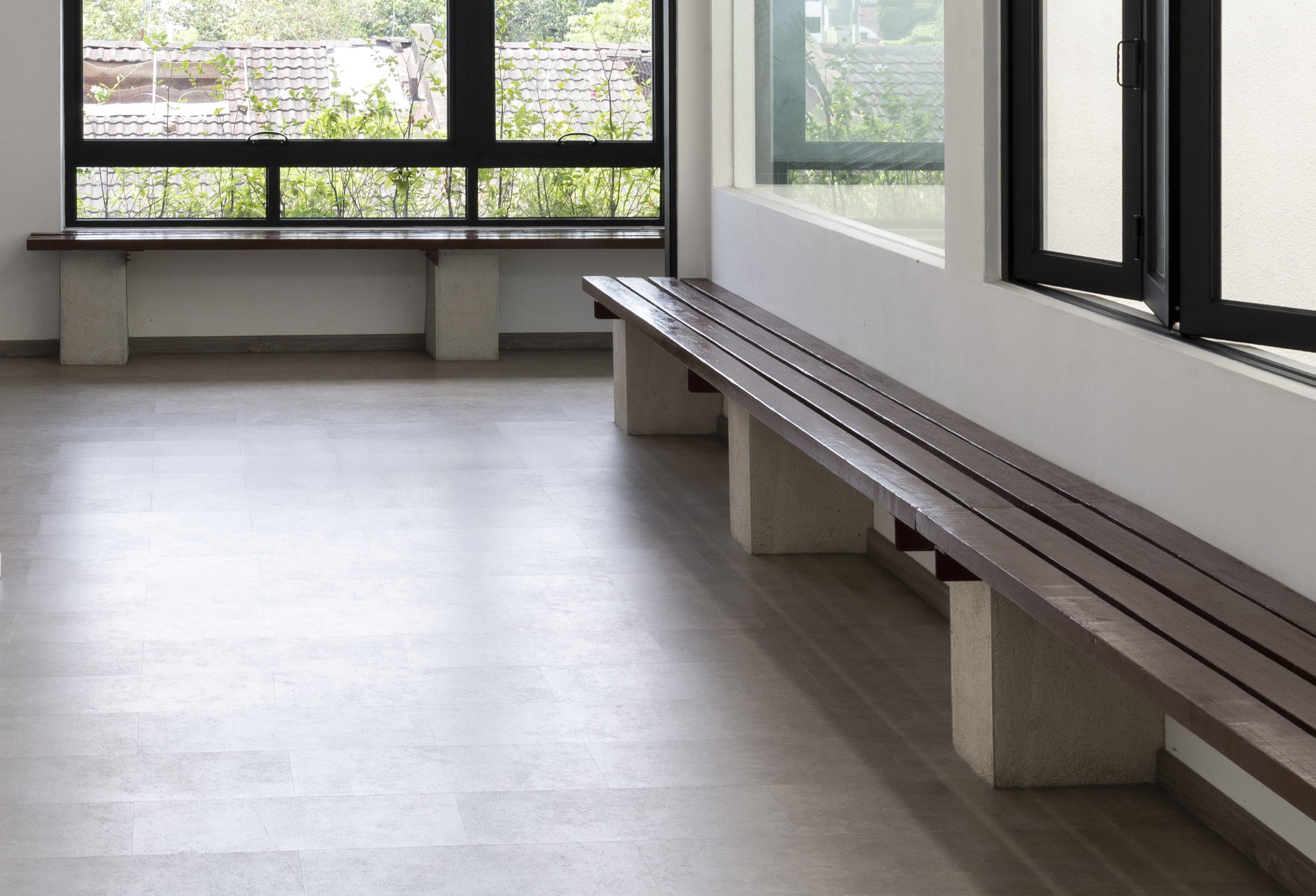
The roof’s secondary structure features deep brown vertical members, their rhythmic arrangement inspired by traditional Chinese roof rafters, particularly the blackened rafters characteristic of Lingnan architecture, as seen in Qinghui Garden’s Zhenyan Studio and Shenzhen’s Hakka-era Guanlan Ancient Market. On the third floor, beyond serving as a rehabilitation zone and staff lounge, the open layout flexibly accommodates events—lectures, exhibitions, yoga sessions, intimate gatherings—and will collaborate with artists to cultivate cultural multiplicity within its walls.
Boundary – Steel Angles and Greenery
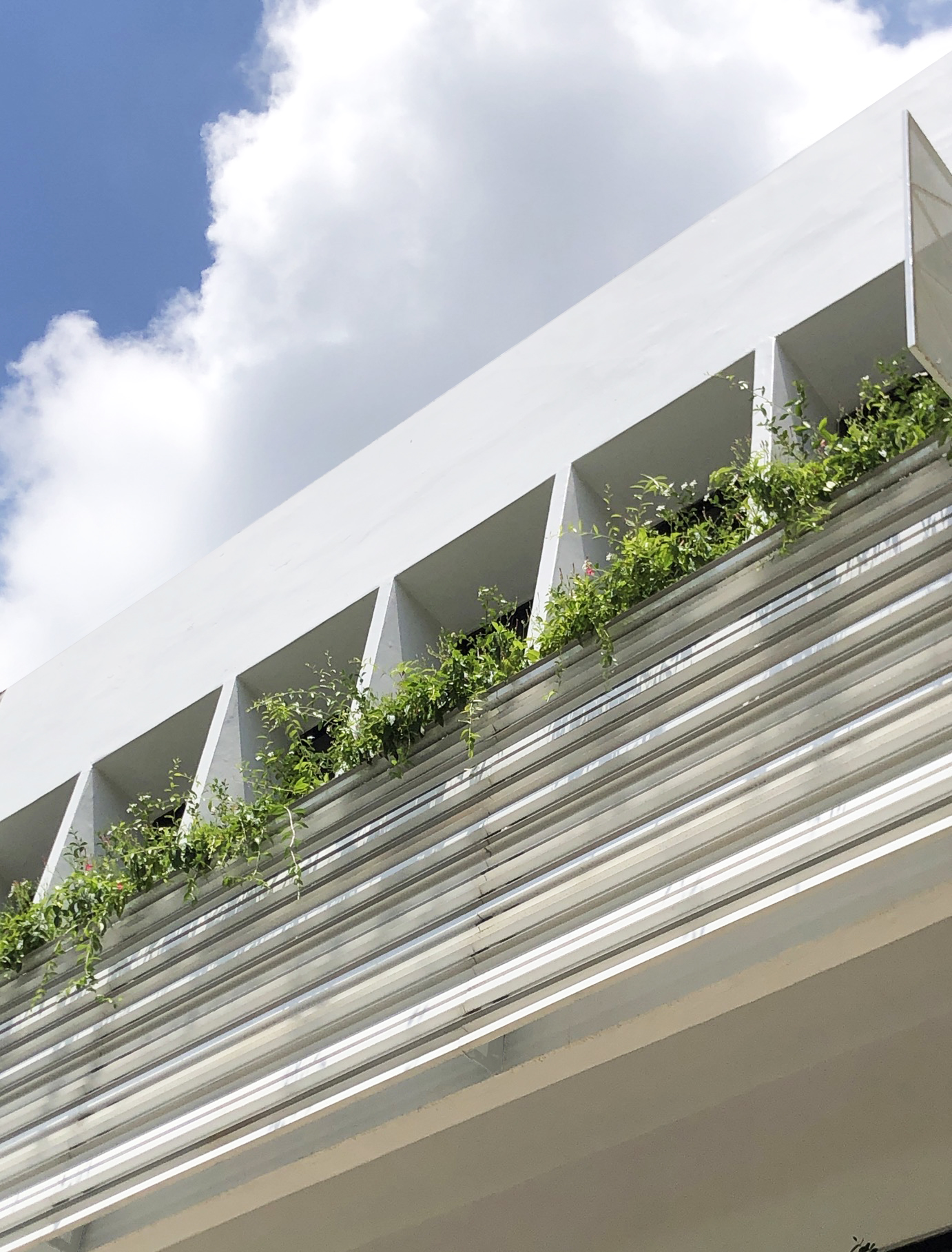
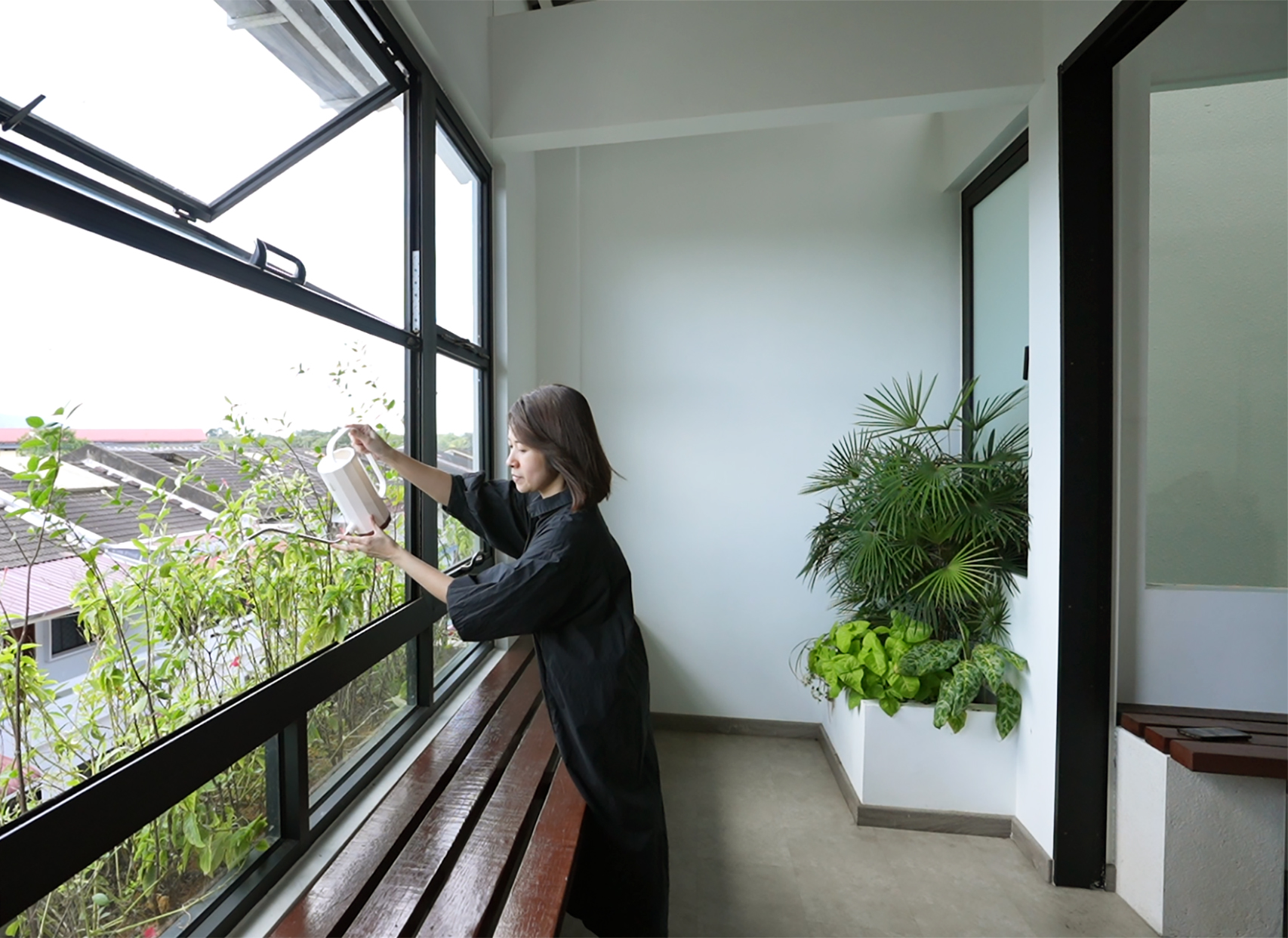
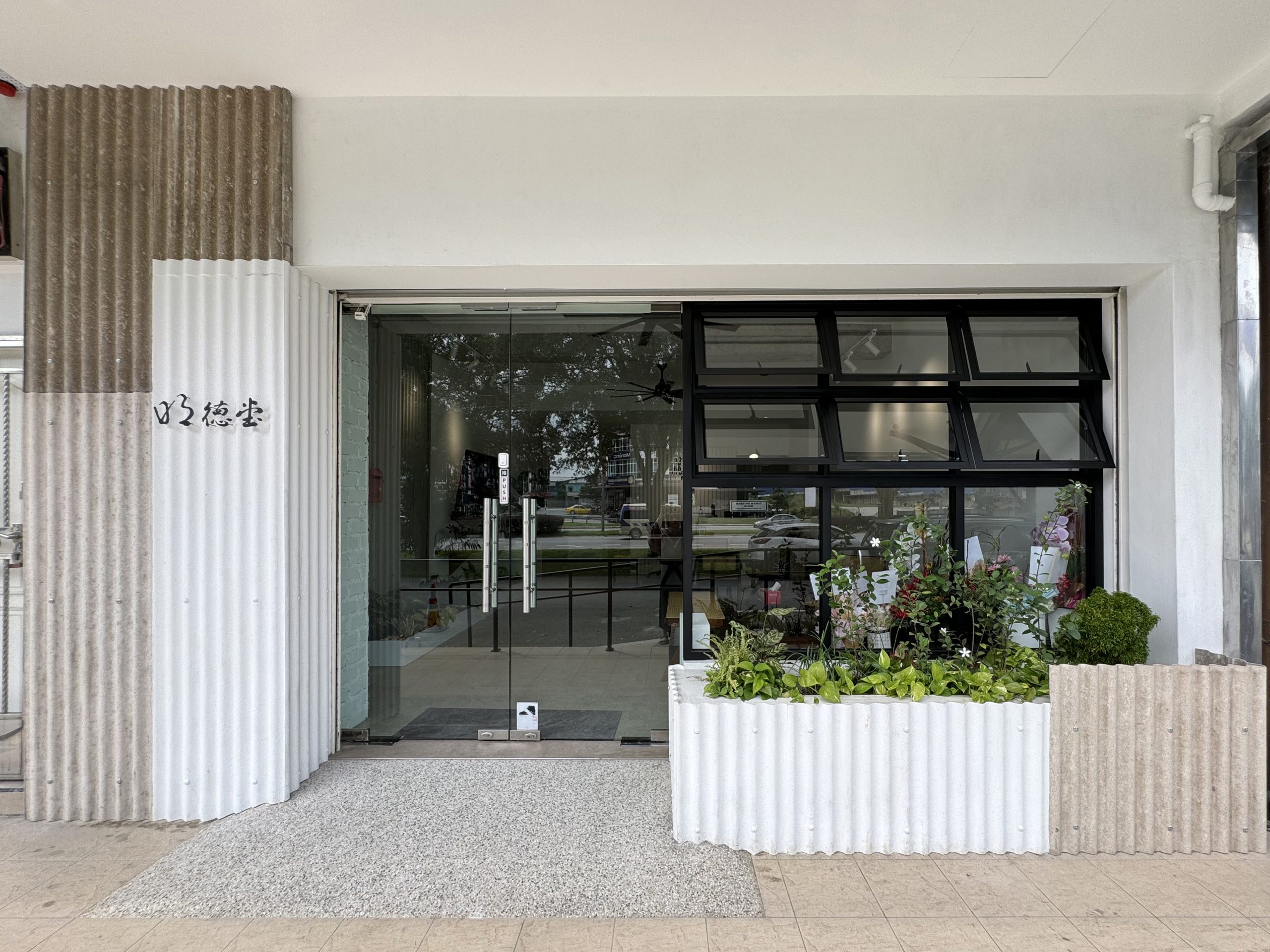
In addition to the courtyard walls, the interior spaces on both sides of the building also utilize greenery to create a seamless transition between the natural environment outside and the interior boundaries, offering varying visual experiences of the plants at different distances. Considering the challenges of material processing and transportation, the project site is located near an industrial area, allowing us to source locally and employ one of the most commonly used materials in construction—steel angles—as the primary decorative surface.
The first reason for choosing steel angles stems from the local climate, which experiences frequent rainfall year-round. Over time, any material tends to accumulate dirt from rain and dust. By arranging angle steel pieces at varying angles, they cast shifting shadows and gradients of gray under sunlight at different times of the day. Even as the material weathers, the visual effect remains a textured interplay of black, white, and gray tones—essentially, it appears more resistant to dirt. Should we ever wish to refresh the facade’s appearance, we could easily apply a new coat of paint for a fresh visual impact. Secondly, while the interior spaces enhance natural airflow, the humid climate still causes a sticky, uncomfortable sensation on the skin, which can only be partially alleviated by air conditioning. However, outdoor AC units significantly disrupt the facade’s aesthetics. The steel angles effectively conceals these units, turning them into silhouettes in the background while ensuring proper ventilation. The cascading greenery interwoven with the steel creates an organic harmony—blending nature with human craftsmanship, softness with rigidity, and vibrant colors with monochrome contrasts.
Continuity – ink and old materials
As a renewal project, we aimed to preserve traces of the original structure while giving it new life. Materials possess their own vitality—the concrete framework, clay tiles, and reclaimed timber now coexist with contemporary elements and functions, entering a new cycle of existence. Calligraphy works by Mr. Bian Songjing, mentor to both physicians, alongside Xiaoxi’s ink paintings, will gradually find their place within these walls, their artistic spirit resonating throughout the space. The design consciously avoids excessive ornamentation. The deliberate voids and material juxtapositions echo the monochromatic palette of ink art—where voids hold meaning as much as solids. From construction to completion, the design evolved organically through continuous adjustments and recompositions, responding to both physical constraints and emerging opportunities.
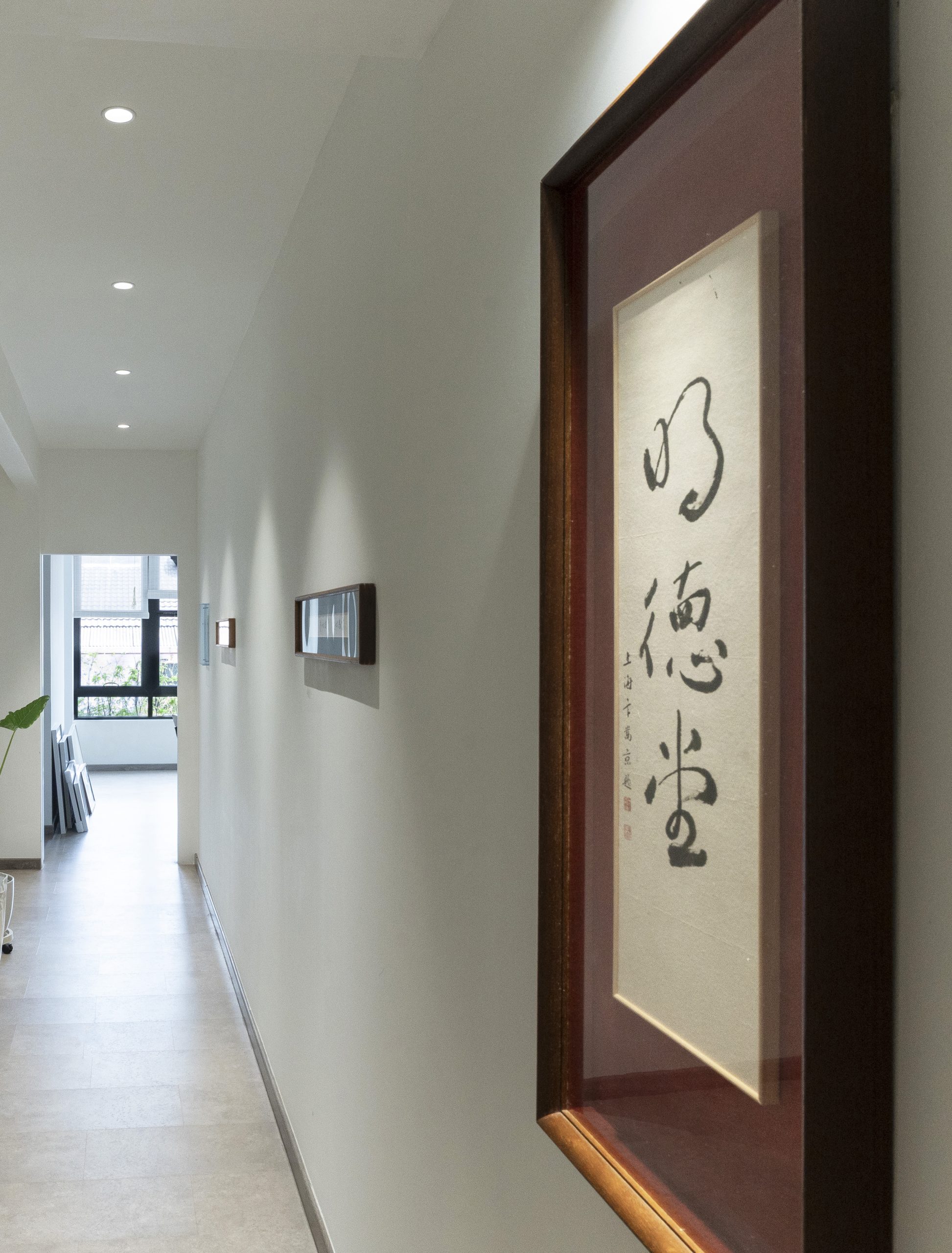
“Resting in the Highest Excellence” serves as the guiding principle of Mingde T&CM Center, rooted in The Book of Rites·Great Learning: “The path of great learning lies in illuminating luminous virtue, in renewing the people, and in abiding in the utmost perfection.” Observing the daily life unfolding within the revitalized architecture of the patients gradually regaining vitality, greenery thriving in harmony with the seasons, and Xiaoxi creating art with serene ease—everything here thrives in an unceasing cycle of growth guided by nature. This, I believe, is the most vivid embodiment of “the highest excellence”—a harmony where healing, nature, and creativity converge into a living expression of timeless wisdom.